Programming, production and the work of connecting people, ideas and institutions.
From independent initiatives to established cultural organizations, my experience has focused on helping creative projects move from concept to reality through coordination, planning and day-to-day execution.
Alterfocus is an independent platform supporting Latin American artists living in Berlin through exhibitions, performances and public programs.
I co-founded the project in 2020 with the idea of creating opportunities for artists whose work often remained outside established institutional networks. Since then, we’ve organized twelve exhibitions—including three online editions—bringing together more than eighty artists and reaching an audience of over 1,600 people. Running an independent platform means that responsibilities constantly shift. Depending on the project, I’ve worked on curatorial development, production, artist coordination, fundraising, communication, graphic design, web development and editorial content. Working across these areas has meant seeing how decisions made in one part of a project shape everything that follows. Today, Alterfocus continues to grow through new collaborations while remaining rooted in the independent cultural scene that shaped the project from the beginning.
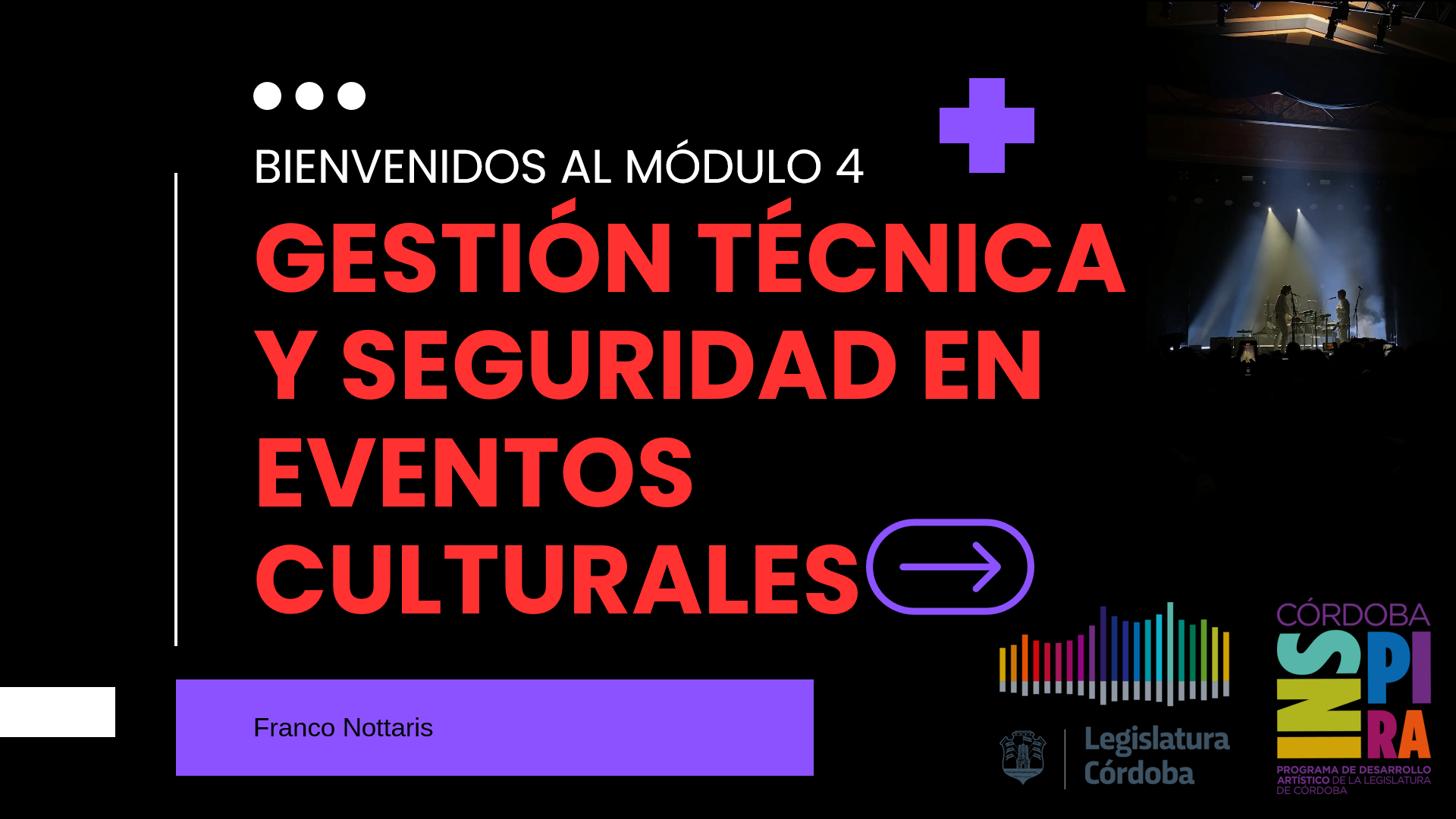
Invited lecturer for the module Technical Production & Event Safety within Córdoba Inspira, a professional development program organized by the Legislature of Córdoba.
The course introduced participants to the practical foundations of event infrastructure, technical planning and safety management, combining professional experience with tools applicable to cultural events of different scales. More than eighty participants from across Argentina attended the program, representing cultural organizations, municipalities and independent initiatives.
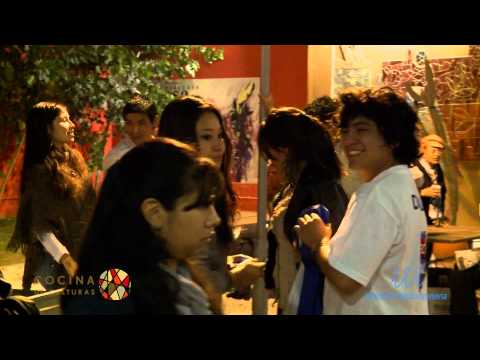
Cocina de Culturas became the place where I learned how cultural organizations actually function.
I joined the venue working at the front desk and box office, combining audience services with scheduling and administrative tasks. When the organization needed a graphic designer, I gradually assumed responsibility for its visual communication, producing every poster, publication, campaign and visual identity created by the venue over the following years. As a trained sound technician, I supported live performances, maintained technical equipment and worked directly with visiting artists before each event. Later I became involved in programming, contributing ideas for new activities and eventually conceiving, programming and coordinating Nada que Ver, an interdisciplinary event series developed within the organization. Looking back, the most valuable lesson wasn’t learning several professions. It was understanding how they depend on one another to make cultural projects possible.
A practical publication created to support the long-term development of independent cultural spaces in Córdoba.
I conceived the guide, developed its editorial structure and wrote its contents, translating legal, administrative and organizational knowledge into an accessible resource informed by everyday professional practice. The publication was distributed free of charge as a tool for cultural organizations seeking to strengthen their management and sustainability.
Research project developed as the final thesis for my Bachelor’s degree in Arts and Cultural Management.
At the time, no comprehensive study had documented the city’s independent cultural spaces. The research combined fieldwork, interviews and data analysis to produce the first citywide overview of the sector. The project was later recognized by Córdoba’s City Council as a Study of Interest.
Invited presentation based on the research Survey and Diagnosis of Cultural Centres in Córdoba.
The talk formed part of a professional training program organized with the support of the National University of Córdoba, the National Fund for the Arts and the Legislature of Córdoba, bringing together professionals working across the cultural sector.
Local producer for the Geneva date of Boom Boom Kid’s European tour.
The work involved coordinating the venue, preparing technical requirements, producing promotional material, communicating with the band, promoting the concert locally and supporting the artists throughout their stay. It was an early experience that showed me how much of cultural production happens long before audiences walk through the door.